
The Incredible Science About How Sharks Survive Without Eating
Have you ever wondered how the ocean’s apex predator, the shark, survives without eating? The planet’s oceans host remarkable marine hunters that survive without food for months, having endured for over 400 million years. The ability of sharks to survive for months without food makes them among the most fascinating creatures in the ocean, attracting students, ocean enthusiasts, and curious explorers who want to learn about their biological traits, survival instincts, and evolutionary adaptations.
Sharks from different species can survive without food for extended periods by slowing their metabolism, storing energy in their livers, reducing physical activity, and using their unique hunting methods. This ability enables the sharks to survive during times of food scarcity.
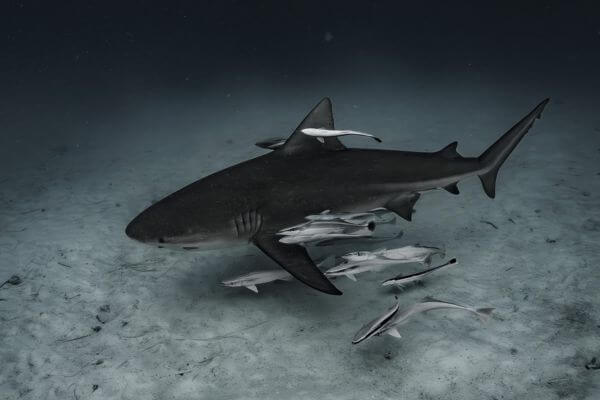
Why Can Sharks Survive So Long Without Eating?
Sharks aren’t like humans or mammals that need regular meals. Their bodies are built for survival.
1. A Super-Efficient Metabolism
Sharks have a naturally slow metabolic rate.
This means:
- They burn energy slowly
- They don’t waste resources on unnecessary movement
- Their bodies are designed for long gaps between meals
A warm-blooded mammal would starve; a shark waits.
2. Giant Fatty Livers That Store Energy
A shark’s body contains a large liver, which serves as one of its essential features.
Shark livers:
- Make up to 30% of the shark’s total body mass
- Store energy-rich oils, which function as fuel reserves
- The liver helps sharks maintain their buoyancy in water
- The liver serves as an internal energy source.
Sharks use stored liver oil as a substitute for food when they face difficult survival situations.
3. Movement That Conserves Energy
People often witness sharks moving through the water with perfect ease. The way sharks move through the water serves both aesthetic and functional purposes.
Sharks achieve energy conservation through three main strategies:
- The sharks maintain a slow swimming pace.
- The sharks use natural water currents to their advantage rather than fighting them.
- The sharks reserve their fast swimming for hunting purposes only.
The sharks extend their food supply through this method, enabling them to survive on a single meal for several months.
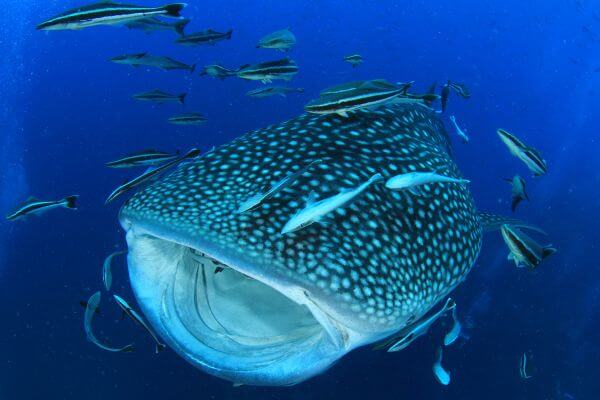
Do All Sharks Survive the Same Length of Time Without Eating?
Not at all. Different species have unique abilities.
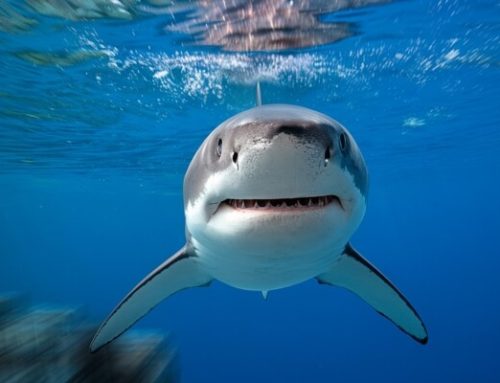
Great White Sharks
Great whites can survive without food for 2–3 months because their large bodies and substantial fat stores enable them to do so. Learn about the food sources of the great white shark.
Tiger Sharks
Tiger sharks maintain their status as “garbage cans of the sea” because their large liver stores enable them to survive for extended periods without food.
Smaller Reef Sharks
The feeding schedule of these sharks requires them to eat every few days to weeks because their bodies need regular nutrition.
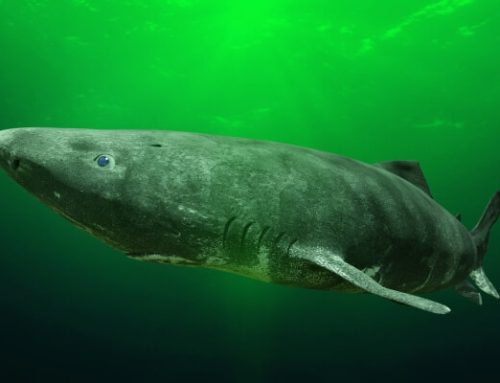
Greenland Sharks
The Greenland shark has the lowest metabolic rate among all vertebrates, allowing it to survive for extended periods without food.
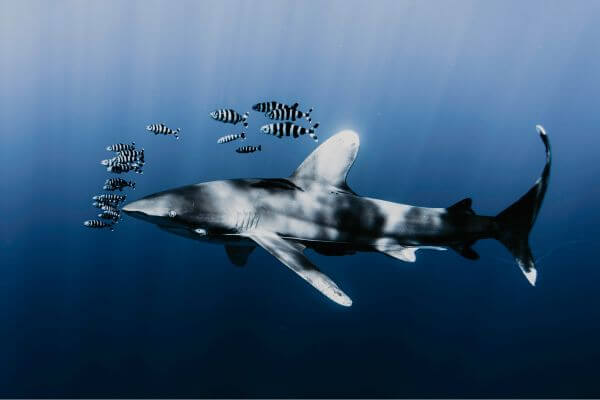
What Happens Inside a Shark’s Body During Long Fasting Periods?
1. Stored Fat Converts Into Energy
The liver oils of these animals are converted into energy molecules that power their swimming, body temperature maintenance, and occasional hunting.
2. Their Metabolism Slows Even Further
Sharks have an automatic mechanism that reduces their energy consumption during periods of food scarcity.
3. Their Hunting Instincts Sharpen
The senses of these animals, including smell, vision, and electroreception, become more sensitive as they become hungrier.
What Happens When a Shark Finally Eats Again?
Sharks don’t nibble, they feast.
A shark that discovers food after an extended period of fasting will:
- They eat significant portions at a fast speed
- Their bodies start to digest food at maximum speed
- The liver begins storing fresh fat reserves, which will support the upcoming fasting period
Marine predators follow a typical pattern of feeding in large amounts followed by periods of starvation.
Discover More About Sharks in Their Natural Habitat
Sharks are extraordinary survivors, and their ability to live for months without eating is just one of the many adaptations that make them such powerful ocean predators. If you’d like to explore these incredible animals even further, or learn more about the shark species that thrive along our coastline.