
What Happens When a Shark Loses All Its Teeth?
The ocean contains fascinating predators, sharks, which evolved to achieve speed, power, and survival. A shark that loses all its teeth will experience what happens to its body. The top predator maintains its ability to hunt even after losing all its teeth. Marine hunters survive tooth loss by replacing hundreds to thousands of teeth throughout their lifetime.

What Happens When A Shark Loses All Its Teeth in the Wild?
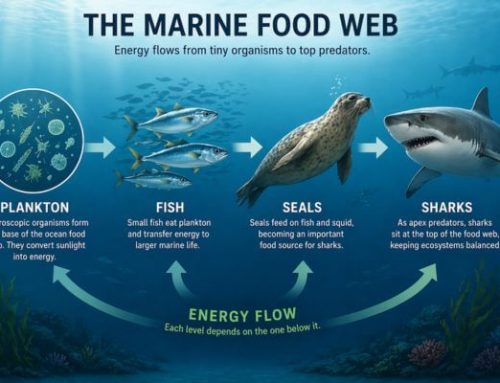
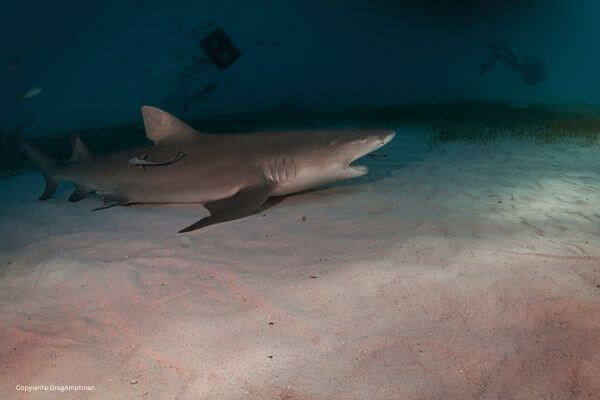
A shark will lose thousands of teeth, which will continue to grow back throughout its entire life span. Sharks possess an endless supply of teeth which never depletes. The shark’s tooth replacement system functions like a conveyor belt, advancing to the next row after a feeding event that causes all teeth to fall out. The apex predator maintains its hunting efficiency through this process even while actively hunting.
Why Do Sharks Lose So Many Teeth?
Sharks lose teeth for three reasons:
Hunting: Biting into prey causes teeth to break or fall out.
Feeding force: Sharks twist, shake, and bite powerfully; their teeth often break.
Natural shedding: Teeth loosen naturally as new ones move forward.
Sharks’ feeding style makes tooth loss normal and even necessary. Tooth loss keeps the teeth sharp for each meal. Sharks need the sharpness created by tooth loss for every bite.
How Many Teeth Can a Shark Lose in Its Lifetime?
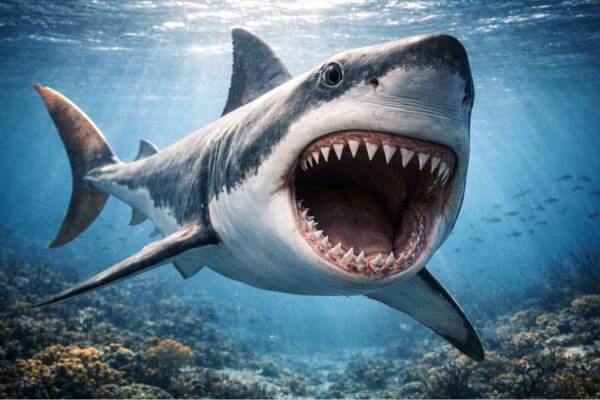
Depending on the species, a shark can lose 20,000 to 35,000 teeth throughout its life.
The tooth-loss rate is among the highest in the animal kingdom. The tooth loss rate is higher than in animals.
Do Sharks Feel Pain When They Lose Teeth?
Scientists now think:
- Sharks do not feel pain from tooth loss the way humans do.
- Teeth are not deeply rooted, so losing one is similar to losing a fingernail.
- This adaptation protects the shark and keeps the feeding process efficient.
How Fast Do Shark Teeth Grow Back?
Sharks operate as complete systems which replace their teeth continuously. Some shark species need to replace their teeth every 1 to 2 weeks. The teeth of these species develop at a rate of one new tooth per month. The system operates as a conveyor belt which maintains a constant supply of ready teeth. A shark retains its ability to eat because its tooth replacement process occurs at a fast rate. Great white sharks lose over 30.000 teeth in their life cycle.
What Happens If a Shark Loses All Its Teeth at Once?
The shark loses all its visible teeth during a difficult feeding encounter, but remains functional because it receives new teeth through immediate forward movement. The shark maintains its hunting ability because backup tooth rows exist in position. The shark maintains its normal hunting behaviour. The shark regains full tooth functionality within a short time. The apex predator maintains its hunting ability even when it loses all its teeth, because sharks evolved to survive.
Can a Shark Still Hunt Without Teeth?
Yes, the process works as a temporary solution.
Sharks depend on multiple features beyond their teeth to successfully capture prey:
- Speed
- Ambush tactics
- Powerful jaws
- Electroreception to locate prey
- Suction feeding (in some species)
The teeth of sharks function for gripping, slicing, and tearing, but the animals can still catch prey during the time their new teeth advance.
Discover More About Sharks in Mossel Bay
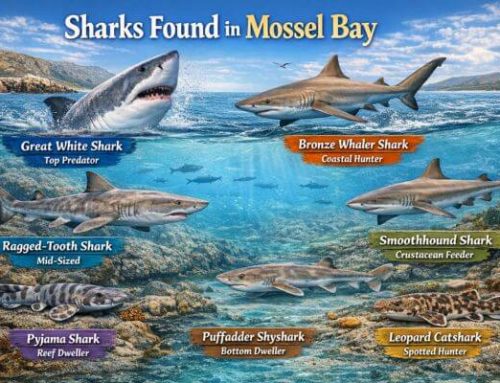
Nature contains one of the most impressive survival systems, which sharks possess through their extraordinary animal structure. The thousands of teeth that sharks can replace allow them to maintain their status as dominant marine predators from birth until death. The experience of watching these amazing predators in their natural habitat would be incredible. Our blog page contains additional shark information about Mossel Bay’s local shark species and other interesting shark facts.