
What’s the Difference Between Sharks That Give Birth And Sharks That Lay Eggs?
Sharks are among the most fascinating marine predators on Earth. But one of the most incredible things about them? Not all sharks reproduce the same way. Some sharks lay eggs, while others give birth to live pups, and a few even do something in between! Sharks show three main reproductive strategies. Even though they’re all apex predators or efficient ocean hunters, their baby-raising methods differ dramatically.

Types of Shark Reproduction Explained
Sharks reproduce through three primary reproductive methods.
Ovoviviparous: The mother’s body hatches eggs before giving birth to live pups.
Viviparous: The reproductive process of sharks involves developing pups in a womb-like structure that provides nourishment similar to that in mammalian development.
Oviparous: Female sharks lay their eggs in protective cases that rest on the ocean floor.

What Are Oviparous Sharks (Egg-Laying Sharks)?
The reproductive process of oviparous sharks results in egg-laying, which produces spiral or rectangular cases known as mermaid’s purses.
How Do Egg-Laying Sharks Protect Their Eggs?
The egg cases use rock and seaweed attachments to deter predators. The embryo receives protection from the outer keratin layer during its development.
Shark Species That Lay Eggs
The following shark species reproduce by laying eggs:
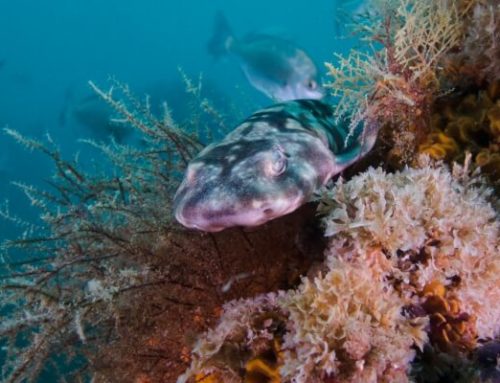
- Swell sharks
- Catsharks
- Bamboo sharks
- Horn sharks
- Some carpet sharks
Why Do Some Sharks Lay Eggs?
The strategy enables mothers to deposit multiple eggs, which will boost the survival odds of their pups, since they must fend for themselves immediately after birth.

What Are Viviparous Sharks (Live-Birth Sharks)?
The marine world includes viviparous sharks, which are the closest relatives of mammals. The sharks reproduce by giving birth to live pups, which develop through a placenta-like connection for nutrition.
Famous Viviparous Sharks
The following shark species reproduce through live birth:
- Bull sharks
- Lemon sharks
- Blue sharks
- Some hammerhead species
Why Do Sharks Give Live Birth?
The mother shark dedicates additional care to her limited number of offspring through this reproductive method. The live-born pups enter the world with enhanced strength and better survival readiness.

What Are Ovoviviparous Sharks (Eggs That Hatch Inside the Mother)?
The most prevalent shark reproductive method exists through this process. The eggs hatch inside the mother’s body, but she does not supply nutrients through a placenta. The newborns receive their nourishment from yolk sacs.
Surprising Species That Use Ovoviviparity
- Great white sharks
- Tiger sharks
- Sand tiger sharks
- Whale sharks
- Mako sharks
The Wild Side – Intrauterine Cannibalism
Some species (like sand tigers) have pups that eat their siblings before birth. Nature can be brutal!

Sharks That Lay Eggs vs. Sharks That Give Birth
Oviparous (Egg-Laying) Sharks
The reproductive process of oviparous sharks involves egg-laying through mermaid’s purses.
- Pup development occurs outside the mother’s body.
- The reproductive system produces multiple eggs during each cycle.
- The energy required to care for each pup remains minimal.
- The benthic species of sharks primarily use this reproductive method.
Viviparous (Live-Birth) Sharks
The mother provides nourishment to developing babies while they stay inside her body.
- The number of pups born is limited, but each pup develops into a strong individual.
- The survival rate of pups increases significantly.
- Pelagic sharks exhibit a higher prevalence of this reproductive method.
Ovoviviparous Sharks
The eggs inside the mother’s body hatch before she gives birth to live pups.
- The reproductive system lacks a placenta during development.
- The reproductive process results in live births of pups.
- The ovoviviparous strategy represents the dominant reproductive method across different shark families.

Why Do Sharks Use Different Reproductive Methods?
Shark species have developed strategies depending on:
- Habitat
- Predation pressure
- Food availability
- Migration patterns
The habitat of egg-layers extends from the ocean floor to open ocean waters. Egg-layers choose to inhabit areas with reefs and the ocean floor because these locations provide suitable conditions for egg anchoring. The wide distribution of live-bearing sharks requires them to move through areas where eggs would not survive if they were anchored.
Experience Shark Knowledge and Marine Discovery
If learning about sharks that give birth vs. sharks that lay eggs sparked your curiosity, Mossel Bay is a prime location to witness some of the ocean’s most iconic marine hunters, especially great whites and other apex predators found along the Garden Route.