
Sharks Found in Mossel Bay: A Complete Guide to Local Shark Species
Have you ever wondered about the shark species found in Mossel Bay? Mossel Bay has a really unique marine environment. Because of that, there’s a great variety of shark species found along this stretch of coastline. Being part of the Garden Route, the area is home to diverse habitats, including rocky reefs, sandy seabeds, kelp forests, and the nearby open ocean, all of which support a wide range of marine life.
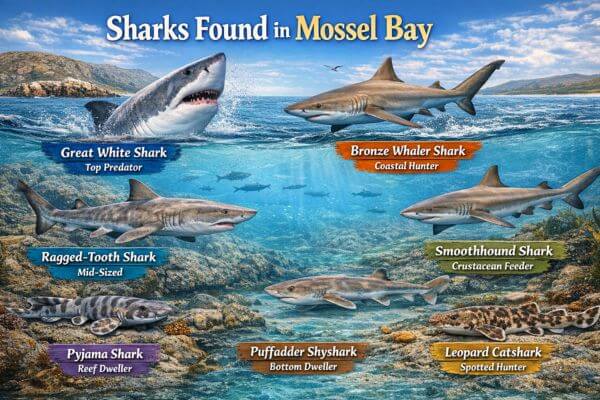
What Sharks Are Found In Mossel Bay?
When you look at the sharks in Mossel Bay, they can generally be grouped into three main types. You get the larger coastal predators, the mid-sized sharks that hunt along the coastline, and the smaller species that spend most of their time close to the seabed. Each of these groups uses the environment differently and feeds on different types of prey. There is some overlap, but overall, this setup helps maintain balance in the marine ecosystem.
The Most Well-Known Shark In Mossel Bay
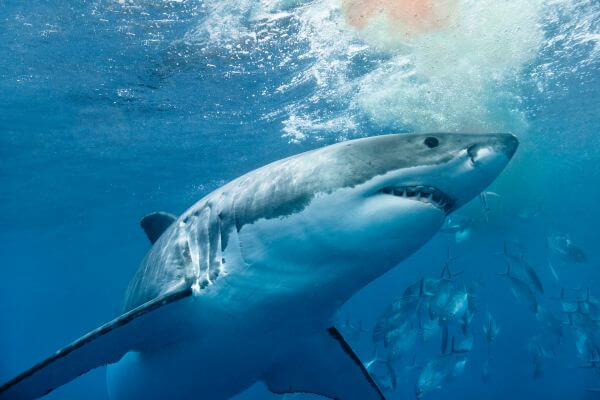
Great White Shark (Carcharodon Carcharias)
The Great White Shark is by far the most recognisable species associated with Mossel Bay and has been a significant influence on the region’s international reputation.
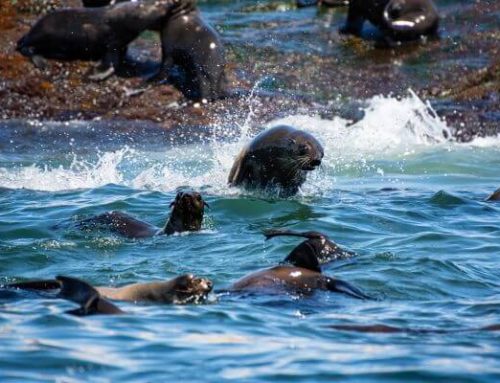
Mossel Bay is famous for regular sightings of great white sharks, which can be seen in the vicinity of Seal Island; this proximity provides an ideal environment for observing one of the most well-known examples of animal predation along the coast of South Africa.
Some important information about the great white sharks includes:
• Great Whites can grow to lengths exceeding 6 meters
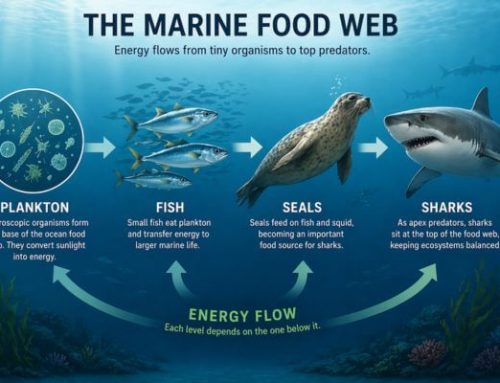
• One of the top predators in the food chain in the ocean
• Uses highly developed sensory systems such as smell and electroreception to locate its prey
• Plays an essential role in managing the population levels of marine animals
Research indicates that while sightings of great whites in Mossel Bay have decreased significantly over the last few years, they continue to use the area as part of their overall movement pattern along the coast. The great whites are intelligent and flexible predators that hunt prey in both shallow and deep waters, often approaching prey from beneath.
Another Well-Known Shark In Mossel Bay
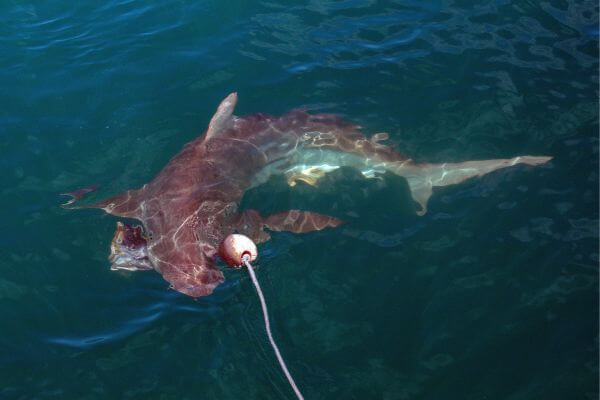
Bronze Whaler Shark (Carcharhinus brachyurus)
Bronze whaler sharks are copper-coloured whale sharks that have been the most common of all the larger sharks that we see along this coastline today.
Features you can look for to help identify a copper (or bronze) coloured whale shark:
- A long, narrow body that is typically bronze in colour
- They may grow to approximately 3.3m
Whaler sharks are active coastal predators which are usually found in:
- Surf zones
- Shallow coastal areas
- Areas where there is high fish activity
They may appear in small groups from time to time while feeding.
In terms of what these sharks eat, bony fish, rays and smaller sharks make up their diet.
Because they are viviparous, female whales give birth to live young after a gestation period of about 12 months.
This makes them one of the main large shark species that we see regularly in Mossel Bay today.
Mid-Sized Coastal Shark
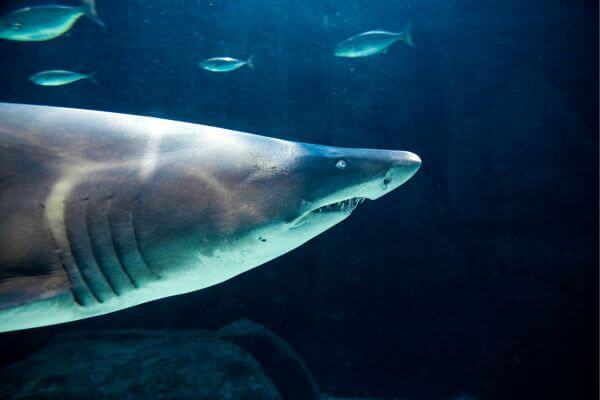
Ragged-Tooth Shark (Carcharias Taurus)
Long, slender bodies characterise ragged-tooth sharks. They have prominent, needle-like, pointed teeth. Although they appear menacing and their body shape suggests they could be aggressive predators, most individuals are relatively non-aggressive and slow-moving.
Ragged-tooth sharks can be found in a range of seafloor environments, including:
- Rocky reefs
- Sandy bottom areas
- Coastal drop-offs
The most common environment they prefer is a combination of rock and sand.
They move along the coastline in response to seasonal conditions and play an important role in maintaining balance within reef ecosystems.
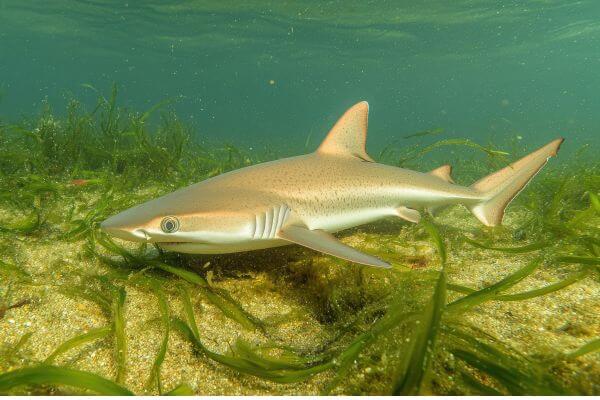
Smoothhound Sharks (Mustelus species)
Smoothhounds are one of the most abundant shark species in shallow marine waters near Mossel Bay.
Some of their main characteristics include:
- A slender body shape
- Flat, small teeth that crush food
- They can typically reach a size of about 1–1.5 metres
They are commonly found in:
- Shallow bays
- Sandy or muddy seabeds
- Estuaries
The primary components of smoothhound diets include:
- Crustaceans such as crabs
- Lobsters and other similar bottom-dwelling species
These sharks play an important role as mid-level predators, helping regulate populations of bottom-dwelling marine life.
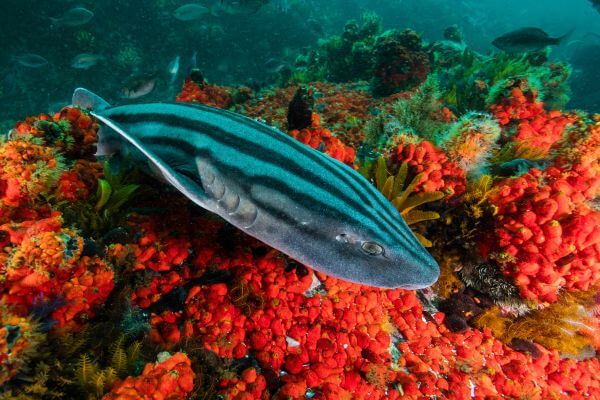
Small Bottom-Dwelling Sharks
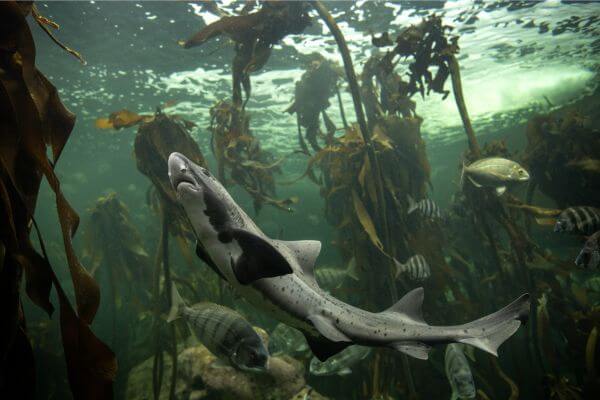
Pyjama Shark (Poroderma africanum)
The pyjama shark is one of South Africa’s smaller shark species. The pyjama shark has a distinctive striped appearance.
Some key features include:
- Striped appearance
- Found mainly in kelp forests and rocky reef environments
- Active at night
- Average length of about 100 cm
Feeds on small fish, crustaceans, and cephalopods.
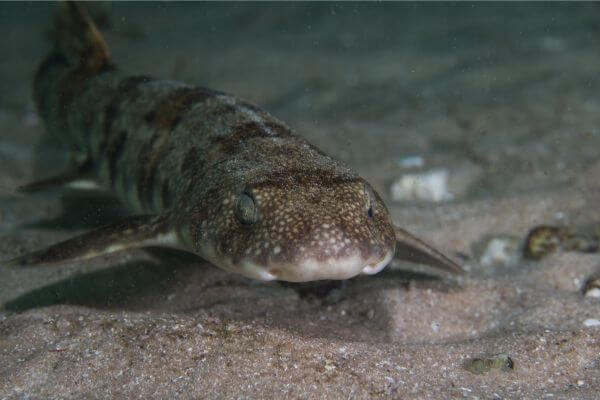
Puffadder Shyshark (Haploblepharus Edwardsii)
The Puffadder Shyshark (Haploblepharus edwardsii) is a small, endemic species of shark found in the waters of Southern Africa.
Characteristics of this species include:
- Reaches approximately 60 centimetres in length
- Lives on rocky and sandy sea floors
- When threatened, it curls into a tight ball to defend itself
This curling behaviour helps protect the Puffadder Shyshark from potential predators.
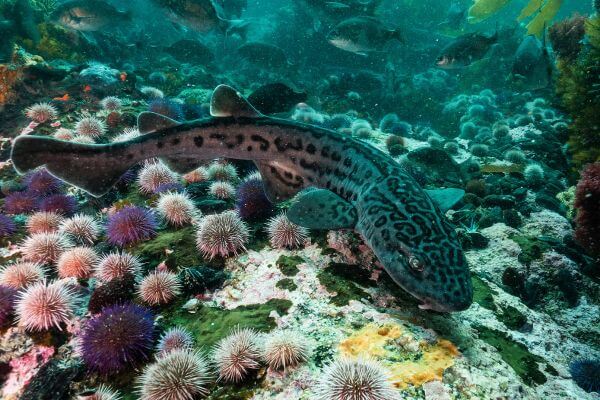
Leopard Catshark (Poroderma pantherinum)
The leopard catshark is another small reef-associated species found in this region.
- Distinct spotted or blotched pattern
- Excellent camouflage among rocks
- Feeds on crustaceans and small fish
Spotted Gully Shark (TriakisMegalopterus)
Also known as the sharptooth houndshark, this species is commonly found in shallow coastal environments.
- Can grow up to 2 metres
- Found near reefs and sandy gullies
- Feeds on fish, crabs, and squid
Why Mossel Bay Supports So Many Shark Species
The area around Mossel Bay has many habitats, such as rocky reefs, sandy beaches, and kelp forests, which provide abundant food for sharks.
Also, the coastal areas surrounding Mossel Bay are suitable for temperate sharks, and the area provides easy access to deeper ocean waters; these characteristics create a habitat where several types of sharks can live in proximity to one another, although there may be some overlap in their use of food resources.
How Do Sharks Use Mossel Bay?
Mossel Bay serves two purposes: it is both a “passage” that sharks follow and a part of the life cycle of many shark species.
As a feeding ground:
- It has sufficient amounts of food for sharks to hunt
As a passage:
- It provides a movement route for some species of sharks
For shelter/habitat:
- Sharks can find safe places to rest on reefs, within kelp forests or at the bottom of sandy bays, where they can also hunt.
- There are likely some shallow areas where younger sharks (juveniles) go to be less vulnerable before moving into deeper, larger waters.
What Do Sharks Eat in Mossel Bay?
Sharks are primarily meat-eaters that feed on fish and other marine creatures. The kind of fish or sea creature they eat depends on the type of shark as well as where it lives.
Big predators (top of the food chain):
- Great white sharks eat large fish, seals and occasionally marine mammals.
- Bronze whaler sharks eat fish, rays, and smaller sharks
Middle-level predators:
- Ragged-tooth sharks eat fish and a variety of smaller sea creatures
- Smoothhound sharks primarily eat crustaceans
Bottom dwellers:
Pyjama sharks and shysharks eat:
- Crabs
- Squid
- Fish
Are Sharks Dangerous In Mossel Bay?
The danger from sharks, as a whole group, is very small. Most shark species found in the ocean are small or actively avoid people. Attacks on humans by sharks happen infrequently. Often, when we see sharks, it is because they may mistake you for something else, such as a fish. The more you understand how sharks behave, the less afraid, more aware you will be, and the more you will appreciate them and the important role they play within our ocean ecosystem. Always take caution in the ocean, especially in areas which are known for high shark concentrations.
Common Misconceptions About Sharks In Mossel Bay
“Here, all the sharks are dangerous”
The majority of species have no intention of harming people.
“The only shark we should care about is the great white”
Bronze whaler and smoothhound sharks (and other species) appear regularly, while great white sharks are not as consistent.
“We can see the sharks at all times”
Water conditions, fish feeding behaviour, and the time of year all influence the level of shark activity.
Best Time Of Year To See Sharks In Mossel Bay
The number of shark encounters differs by season.
Generally:
- The warmer seasons tend to bring an increased amount of marine life
- Some species have preferred times (seasons) when they are more commonly seen
- The marine environment is strongly influenced by water temperature and where its food source is located
Because sharks are wild animals, there is no guarantee you will see them; however, this region has year-round shark activity.
Are Sharks Protected In South Africa?
Due to the biological role many shark species play in South Africa’s ecosystem, some are protected or subject to careful government management.
- The great white shark is a protected species in South Africa
- Conservation programs and ongoing monitoring assist with population assessment
- Marine ecosystems depend on healthy numbers of sharks
Sharks In Mossel Bay
The sharks found in Mossel Bay reflect a complete and balanced marine ecosystem, from large apex predators to smaller reef-dwelling species. Each plays a role in keeping ocean environments stable and thriving.
If learning about these species has sparked your interest, explore more about shark encounters, marine life, and ocean experiences in Mossel Bay. It’s the perfect next step in discovering the incredible underwater world of South Africa’s Garden Route.