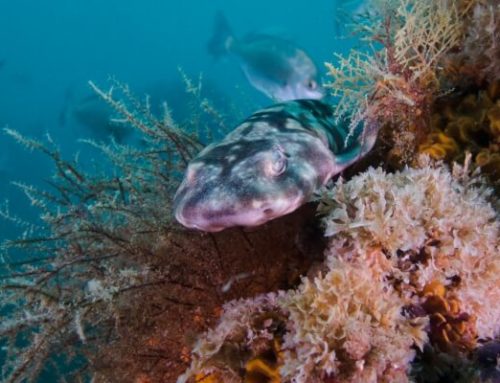

Shark Communication Without Making a Sound
Have you ever tried to explain silent shark communication? Long before dinosaurs walked the land, sharks already swam in oceans over 400 million years ago. What makes them so intriguing isn’t just strength – it’s how they talk, mostly silent underwater. Instead of making noise, they signal through tiny shifts in posture, direction of movement, or flow across water. These signals travel between sea creatures without words being spoken. Down below, quiet isn’t just present – it plays a key role, helping sea creatures track prey without noise while moving through dark waters.
In real sea environments, researchers observe how sharks move and behave to learn about their signals. When a fin shifts or speed alters, it shows reactions – like warnings or displays of power – that unfold without noise. These shifts provide clues to how sharks respond to nearby others.
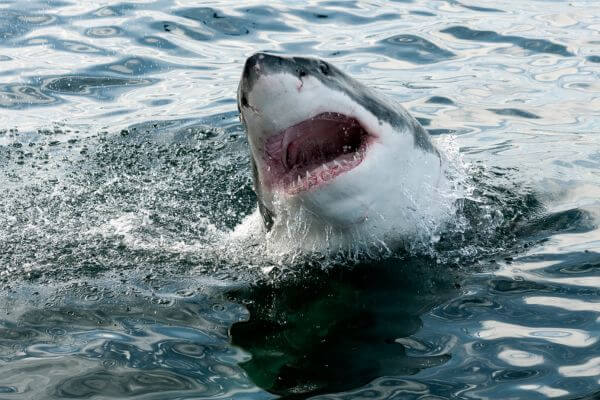
How Sharks Communicate Without Making A Sound In The Wild
Sharks have developed a system for exchanging information through nonverbal cues. The silent communication system enables sharks to maintain their stealth nature while saving energy and working together with other sharks during feeding and movement.
Their communication system depends on four primary methods, which include:
- Body language
- Electroreception
- Chemical signals (smell)
- Hydrodynamic cues (water movement)
The survival of ocean predators depends on these four communication tools, which operate without producing any sound.
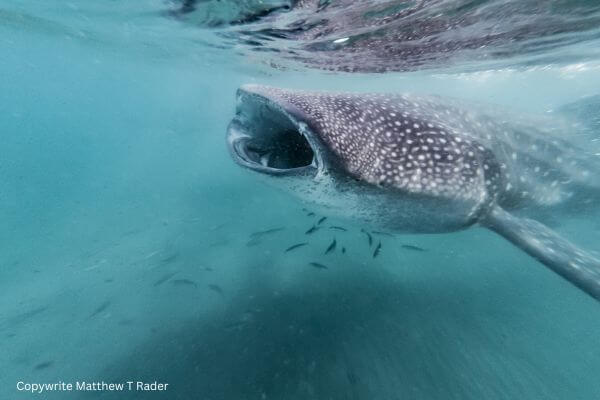
Why Do Sharks Need Silent Communication?
Sharks need to use silent communication because:
- The sounds they made would drive their prey to flee
- The hunting success of many species depends on their ability to catch their prey by surprise.
- Sharks lack the physical structure needed to create vocal noises.
- The poor underwater visibility means sharks must rely on body language as their primary form of communication.
- The use of silent signals enables sharks to establish dominance without engaging in physical battles.
The ability to stay silent enables sharks to maintain their position as successful marine predators.

Shark Body Language: The Most Important Communication Tool
Sharks depend on visual signals to communicate with other sharks that are within their vicinity.
1. Pectoral Fin Position
Sharks use the positions of their pectoral fins to convey different emotional states through their body language.
Relaxed fins → calm and non-threatening
Drooped fins → stressed, defensive, or agitated
High, rigid fins → heightened interest, possible prey detection
2. Back Arching
The back-arching behaviour of great whites and copper sharks serves as a warning signal to display dominance or irritation. The behaviour serves as a warning to other sharks and divers.
3. Rapid Zig-Zag Movements
The following behaviours indicate three different shark actions:
- Hunting mode
- Investigating an object
- Competing for food
4. Slow, Deliberate Circles
Sharks perform circular movements for three main reasons: object assessment, curiosity exploration, and hydrodynamic positioning.

Can Sharks Communicate Using Electric Fields?
Yes! Sharks have an incredible ability known as electroreception, made possible by special organs called the Ampullae of Lorenzini.
How It Works
Sharks detect even the tiniest electrical signals in the water, like another shark’s muscle movements.
This ability helps them:
- Read the emotional state of nearby sharks
- Sense whether another shark is stressed or calm
- Coordinate feeding behaviour
This is one of the most advanced biological communication systems in the animal kingdom.

Chemical Signals: How Sharks “Smell” Messages
Sharks possess an exceptional ability to detect smells. The chemical signals that sharks release through pheromones and stress hormones enable other sharks to detect them immediately.
Sharks employ chemical signals for three primary purposes:
- The ability to detect injured prey through chemical signals
- Sharks use chemical signals to detect competitors in their area.
- Sharks use chemical signals to find their potential mates.
- Small shark species might use chemical signals to detect predators or dangerous situations, but this behaviour remains uncommon.
The long-range nature of chemical signals makes them an ideal means of sending messages without generating noise.
Hydrodynamic Signals: Communication Through Water Movements
Every shark swimming creates a unique water displacement pattern. Other sharks can detect this movement with their lateral line system, a sensory organ that detects waterborne vibrations.
This allows sharks to sense:
- The direction another shark is moving
- Whether a shark is speeding up or slowing down
- If a shark is in hunting or cruising mode
Even in total darkness, sharks can “read” each other without seeing a thing.

Do Sharks Communicate With Humans?
Not exactly, but humans can interpret shark body language as a form of communication.
For example:
- A shark swimming calmly with relaxed fins signals curiosity.
- A shark arching its back or lowering its pectoral fins signals agitation.
- Quick movements or sudden speed changes may mean heightened interest.
Divers and marine biologists use these cues to understand behaviour and stay safe.
How Scientists Study Silent Shark Communication
Marine biologists employ the following methods for their research:
- Underwater observation
- Drones
- Satellite tags
- Acoustic tags function to monitor animal movements instead of producing sounds
- Underwater cameras
- Behavioural mapping software
Shark Species That Rely Heavily on Silent Signals
Different shark species display varying levels of facial expression.
Great White Sharks
Great White Sharks express themselves through body posture and circular swimming patterns.
Copper Sharks
The Copper Sharks use body language and hydrodynamic signals to maintain social communication within their group structure.
Bull Sharks
Bull Sharks primarily use dominance displays to communicate when swimming in cloudy water.
Hammerhead Sharks
The schooling behaviour of Hammerheads combines with chemical signals for communication.
Why Silent Communication Helps Sharks Survive
Silent communication supports:
- Energy conservation
- Successful hunting
- Reduced conflict within shark groups
- Efficient social behaviour
- Better survival in low-visibility environments
Sharks achieved their position as apex predators through the evolution of silent communication as a key survival advantage.
The Magic of Silent Shark Communication
The discovery of shark communication methods that do not involve sound production has increased our understanding of these marine predators. The ocean contains these marine predators, among the most efficient hunters, because they possess keen intelligence, refined senses, and subtle body language.