
Greyhound Shark: Understanding Its Role In Ocean Ecosystems
The Greyhound Shark plays an important role in maintaining balance within coastal and temperate marine ecosystems. The Greyhound shark helps regulate populations of smaller fish and invertebrates, preventing any single species from becoming too dominant. By feeding near the seabed and moving between coastal habitats, this shark supports healthy food webs and contributes to the overall stability of ocean environments where biodiversity depends on natural predator–prey relationships.
What Is A Greyhound Shark?
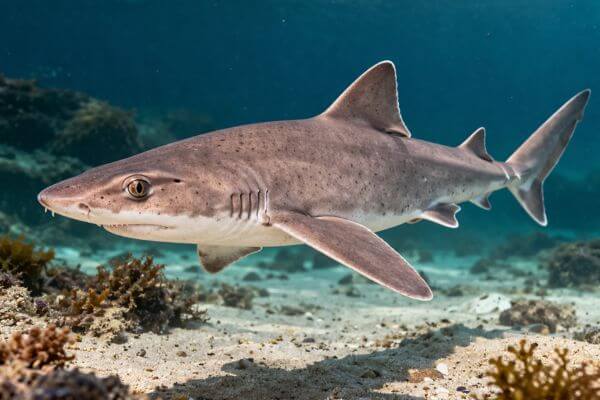
- The Greyhound shark is a slender, fast-swimming coastal shark
- Found mainly in the temperate waters of the Southern Hemisphere
- Common along South Africa and Australia’s coastlines
- Feeds on small fish, crustaceans, and invertebrates
- Known for its smooth movement and non-aggressive nature
Where Do Greyhound Sharks Live?
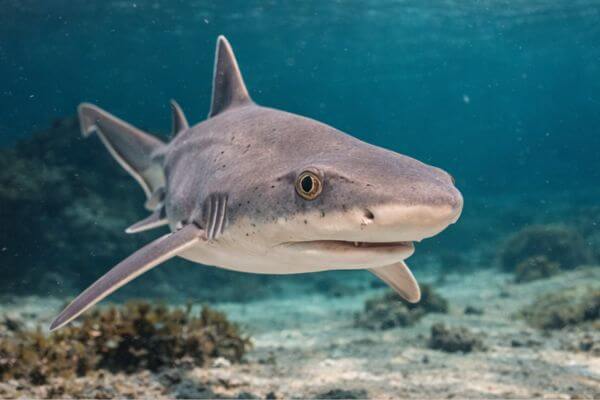
Greyhound sharks are coastal species that prefer cool to temperate ocean waters and are most often found near shore. They inhabit continental shelf areas, sandy seabeds, and shallow banks, sometimes moving through water layers that other marine animals avoid.
Common regions where greyhound sharks are found depend on the species, but in the case of the true greyhound shark (Mustelus antarcticus), their range is mainly limited to:
-
Australia
-
New Zealand
In other parts of the world, including Southern Africa, Southern Europe, and North Africa, similar-looking sharks are usually smoothhound species, often grouped under the same common name. In these coastal zones, greyhound and smoothhound sharks may move through areas also used by scuba divers — the same waters, just very different visitors.

Is The Greyhound Shark The Same As A School Shark?
Yes, the greyhound shark and the school shark are the same species, scientifically known as Galeorhinus galeus. The name school shark comes from their tendency to form groups, or schools, especially when young. Juveniles are often seen swimming together, while adults may be found alone or in smaller, looser groups. This schooling behaviour helps them reduce the risk of predation, improve hunting efficiency, and navigate long seasonal migrations more effectively.
Greyhound Shark Appearance and Identification
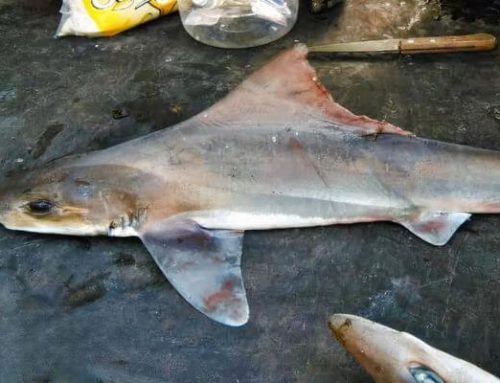
The Greyhound shark is easily recognised by its sleek, streamlined appearance, especially when compared to larger, bulkier shark species.
Key identification features include:
- Long, slender body that is narrow from side to side
- Smooth grey to bronze-toned colouring along the upper body
- Pale to white underside, creating natural countershading
- Moderately sized eyes positioned on the sides of the head
- A long, narrow, pointed snout
With their smooth skin and hydrodynamic shape, greyhound sharks move quietly and efficiently through the water. Rather than relying on ambush tactics, they actively pursue prey, using speed and agility to hunt. Their success comes from cutting cleanly through the ocean, not from concealment.
How Fast Is A Greyhound Shark?
Even though it isn’t the fastest shark in the ocean, the Greyhound shark is built for endurance and can swim for long periods without tiring. Its streamlined body is designed for steady, efficient movement rather than sudden bursts of speed. This energy-saving swimming style allows greyhound sharks to travel long distances and follow seasonal migrations along coastal waters. Instead of sprinting after prey, they rely on sustained motion and efficiency to move between feeding grounds and habitats.
Are Greyhound Sharks Dangerous To Humans?
Greyhound sharks are not considered dangerous to people.
- No confirmed fatal attacks
- Now and then, a swimmer or diver crosses this shark’s path – moments like these rarely happen.
- Shy by nature, these sharks avoid conflict rather than seeking it out.
If seen below water, people tend to do this:
- Stay away from them
- Swim quietly by
- Avoid direct interaction
These creatures offer an apparent reason to admire sharks rather than fear them.
How Do Greyhound Sharks Reproduce?
Greyhound sharks are vulnerable because they reproduce slowly and produce relatively few offspring, making it difficult for populations to recover from overfishing and environmental pressure.
Reproductive traits include:
- Ovoviviparous reproduction (pups develop inside eggs within the mother)
- Gestation period of about 10–12 months
- Small litter sizes compared to many other shark species
- Late sexual maturity, meaning it takes many years before they can reproduce
- Because of these traits, population recovery can take decades, making losses hard to reverse.
Protecting the Greyhound shark starts with small, responsible actions that add up over time. People can support sustainable seafood choices, learn and share accurate information about sharks, and back marine conservation efforts that protect coastal habitats. When in the ocean, swimming calmly, keeping a respectful distance, and avoiding contact with marine life helps reduce stress on these animals. Education, especially from a young age, plays a vital role in building long-term respect for the ocean and ensuring greyhound sharks continue to play their role in healthy marine ecosystems.
What The Greyhound Shark Teaches Us About The Ocean
Sharks like the Greyhound shark show that the ocean is not just a vast space, but a connected web of life where every predator plays a role. Less famous than larger shark species, the greyhound shark moves quietly through coastal waters, feeding efficiently and helping maintain balance in tidal and shelf ecosystems. Its role may seem subtle, but it is essential. Protecting only the biggest or most dramatic species misses the bigger picture. Healthy oceans depend on smaller, lesser-known predators too. Understanding sharks like this helps us see why true ocean stability relies on every link in the chain.
Get t0 see different shark species when diving in Mossel Bay.